
AniFilm: animated films from Japan and around the world, and where to watch them
From Miss Hokusai, Patema Inverted and Giovanni's Island to Lupin the Third and Sound! Euphonium, from The Triplets of Belleville, The Illusionist and Ernest & Celestine to Wallace & Gromit, Loving Vincent and Leafie, a Hen Into the Wild. Pick a film and press Watch now.
175 films in the guide



Japan
Details →

France and Belgium
Details →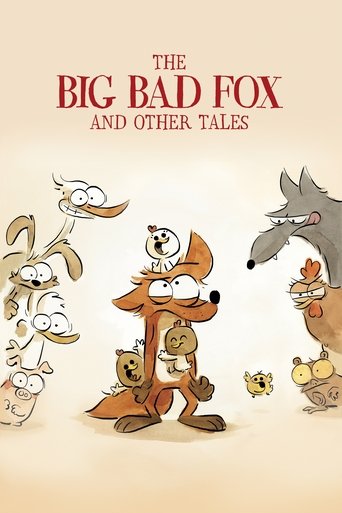
Aardman
Details →Art-house animation
Details →
Korea
Details →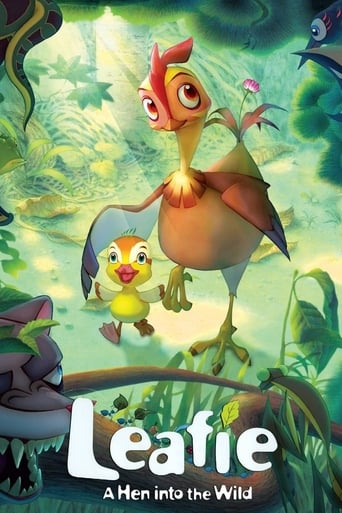


Top rated
Details →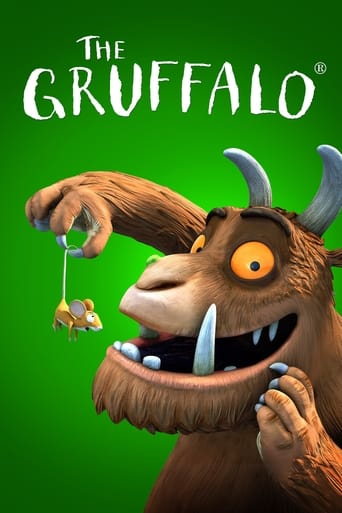
App, domains and help
Details →- How to watch with AniFilmFrom the poster to the film.
- Japanese animated filmsCinema releases from Japanese studios.
- French and Belgian animationHand-drawn stories from Paris to Brussels.
- Aardman and British stop-motionClay, wit and very British tea.
- Animation around the worldFilms from Korea, Europe and the Americas.
- Subtitles and dubsOriginal voices and translated tracks.
- The official AniFilm siteRecognising AniFilm.
- Is AniFilm working?A quick check and easy fixes.
- Where AniFilm titles streamThe official services behind the guide.
- Apps and devicesPhones, tablets, laptops and TVs.
- Free animated filmsLegal ways to watch at zero cost.
- Streaming safelyA short checklist.
- Finding a filmSearch by title, country or year.
- My ListSaving films for later.
- Festival favouritesFilms that won over juries.
AniFilm: animated films from Japan and around the world, from Miss Hokusai, Patema Inverted and the Lupin the Third films to The Illusionist, Ernest & Celestine, Wallace and Gromit and Loving Vincent
AniFilm began life as a busy Russian-language anime site with a deep maroon page, a white content panel in the middle, a dark header bar and rows of release cards marked with small green and dark-red badges. The new AniFilm keeps that look, with its bold red links, its tidy filter box, its outlined green and blue buttons and its grey sidebar with a numbered Popular list, and gives it a clear new focus: animated films for the cinema. Here you will find standalone Japanese features and the big-screen chapters of much-loved series, hand-drawn French fables, British clay comedies, Korean landmarks, Scandinavian family adventures, Italian fairy tales and painted art-house experiments from every corner of Europe and the Americas.
Each film has its own page with the story, the running time, the country, the studio, the director and the voice cast, and a Watch now button that opens the film on the official services in your country. The guide gathers well over one hundred and seventy features and shorts, and every one of them was chosen by hand. Some are festival prize-winners, some are cosy Sunday-afternoon films for the whole family and some are cult favourites that deserve a wider audience. Together they make a small cinema of animation, open every day of the year.
This page explains how AniFilm is put together, what each part of the design does and what kinds of films wait on each shelf. It also suggests a few film evenings and points to the short guides that answer everyday questions about subtitles, devices, free viewing and saving films for later.
The rest of Europe
The Europe shelf gathers films from Italy, Germany, Austria, Denmark, Norway, Sweden, Finland, Estonia, Latvia and Poland. Many of them are family films made in partnership between several countries, and many were dubbed into English for release around the world.
Italy brings some of the most charming. Enzo D'Alò made Lucky and Zorba, based on Luis Sepúlveda's story of a harbour cat who promises a dying seagull to hatch her egg and teach the chick to fly, and Momo, adapted from Michael Ende's novel about a girl who lives in the ruins of an old amphitheatre and stands up to the grey men who steal people's time. His earlier How the Toys Saved Christmas follows a group of toys who escape a shop to deliver themselves to the children who asked for them. From Naples come two stylish films for older viewers: Cinderella the Cat, a dark, musical retelling of the fairy tale set aboard a huge ship in the port, and The Art of Happiness, about a taxi driver who wanders through a rainy city after his brother's death. Totò Sapore and the Magical Story of Pizza is a Neapolitan fairy tale for younger children, Aida of the Trees is a fantasy inspired by opera, and Leo Da Vinci: Mission Mona Lisa imagines the young inventor on a treasure hunt. The Winx Club films, such as Winx Club - Magic Adventure, and Gladiators of Rome come from the Rainbow studio, and Donkey X retells the story of Don Quixote from the point of view of his faithful donkey.
Germany contributes a long list of family favourites. Animals United follows a meerkat, a lion and their friends on a journey to find water, Back to Gaya sends small heroes out of their animated world into ours, and The 7th Dwarf adds a clumsy extra dwarf to a Sleeping Beauty story. Lissi and the Wild Emperor is a broad comedy about an empress kidnapped by a lonely yeti, Impy's Island follows a little dinosaur who hatches on a hidden island, and Maya the Bee Movie brings the curious bee to the cinema. Two by Two: Overboard! continues the story of two small creatures who stow away on Noah's ark, following Ooops! Noah Is Gone.... Spy Cat follows a house cat who dreams of being a detective, and from Austria comes Moonbound, based on a classic story of two children who travel to the moon.
Denmark is a small country with an outsized animation scene, much of it built around the A. Film studio. Help! I'm a Fish turns three children into fish after they drink a mysterious potion, The Incredible Story of the Giant Pear sends friends out to sea on an enormous pear, and Freddy Frogface follows a boy standing up to school bullies. Checkered Ninja and Checkered Ninja 2 follow a boy whose toy ninja comes to life with a mission of its own, Dreambuilders shows a girl who learns to build dreams, and Ronal the Barbarian is a cheerful parody of sword-and-sorcery films.
Further north, Norway offers Captain Sabertooth and the Magical Diamond, Louis & Luca and the Snow Machine and Ella Bella Bingo, all made for young children. Sweden's Molly Monster: The Movie follows a little monster waiting for a new sibling, Finland's reindeer adventure Niko and the Way to the Stars follows a young reindeer who dreams of flying with Santa's team, and Estonia's Lotte from Gadgetville visits a village of inventive animals. From Latvia comes Away, a wordless journey of a boy on a motorbike across a mysterious island, made almost entirely by a single artist, Gints Zilbalodis.
From Poland and Britain comes Loving Vincent, the first fully painted feature film. Around a hundred painters recreated the style of Vincent van Gogh in oil on canvas, frame by frame, to tell the story of a young man delivering the artist's last letter and asking questions about his final weeks. Every shot looks like a moving van Gogh painting, and the result is unlike anything else in cinema.
Spain, Latin America and beyond
The Spanish and Portuguese shelf gathers films from Spain, Mexico, Argentina, Colombia and Brazil. Spanish animation has grown fast in recent years, and Mexico has a lively tradition of family films built on local legends.
From Spain, Wrinkles is a moving, often funny film about an elderly bank manager who moves into a care home and makes friends with his sharp-witted roommate. Buñuel in the Labyrinth of the Turtles tells how the young filmmaker Luis Buñuel made a documentary in a remote corner of Spain, mixing animation with real footage from the time. Tad, the Lost Explorer follows a construction worker who dreams of archaeology and ends up on a treasure hunt in Peru, while Justin and the Knights of Valour and Inspector Sun and the Curse of the Black Widow are bright adventures for children. Mortadelo & Filemon: Mission Implausible brings two famous comic-strip secret agents to the screen, and Nocturna follows an orphan boy who discovers the secret world of creatures who run the night.
From Mexico, The Legend of the Nahuala and The Legend of La Llorona adapt spooky folk tales for young audiences, La Leyenda de los Chaneques continues the same series, and the egg-shaped heroes of Huevos: Little Rooster's Egg-Cellent Adventure and An Egg Rescue keep the whole family laughing. Salma's Big Wish follows a girl who crosses into the world of the dead on the Day of the Dead to meet the parents she lost. From Argentina comes Underdogs, in which a shy young man and the tiny players of his table football game fight to save their town. From Colombia, Anina is a delicate film about a girl with a palindromic name who receives a mysterious sealed envelope as a school punishment.
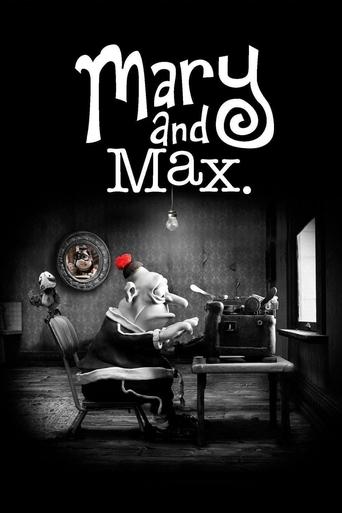
Brazil offers Monica's Gang in an Adventure in Time, starring the famous comic-strip children, and Haunted Tales For Wicked Kids: The Movie, a playfully spooky comedy. From Australia comes Mary and Max, Adam Elliot's claymation story of an unlikely friendship by letter between a lonely eight-year-old girl in Melbourne and a man in New York. It is funny, sad and full of kindness, and it is among the most loved films in the whole guide.
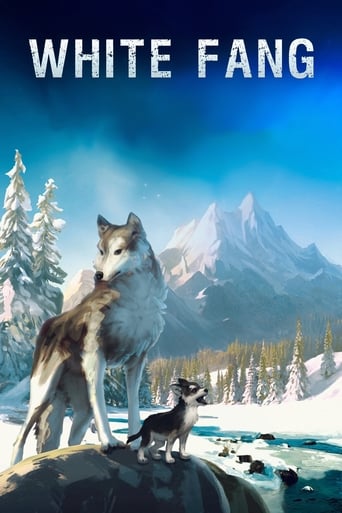
Several films come from further afield. The Journey, made in Japan by Toei Animation with a Saudi studio, is an epic set in ancient Mecca, where a potter joins the defence of his city against an invading army with war elephants. Spycies, from China and France, is a spy comedy about two mismatched agents. Sita Sings the Blues, made almost single-handedly by Nina Paley in the United States, retells part of the Ramayana with jazz songs from the 1920s. White Fang adapts Jack London's novel about a wolfdog in the Yukon, and from Canada come The Breadwinner as a co-production, Fireheart, about a girl who wants to become a firefighter in 1930s New York, and Gnome Alone.
Every shelf on AniFilm
The full list of shelves lives on the collections page, and each one is also linked from the Browse films box at the top of the home page. Here is what each of them holds.
Animated films is the complete library, every film in the guide on one page. Japan gathers the Japanese films, from original features to franchise chapters. France and Belgium holds the French-language films, and English-language films brings together the British, Irish, Canadian, Australian and American titles. Spanish and Portuguese covers Spain and Latin America, Korea gathers the Korean films and Europe collects the rest of the continent.
The themed shelves cut across countries. Aardman holds the Bristol studio's clay comedies. Lupin and Conan gathers the gentleman thief and the boy detective. Family films picks the titles that suit every age, from toddlers to grandparents. Art-house animation collects the festival favourites, the painted films and the stories for grown-ups. Music and stage brings together concert bands, idol troupes, stage schools and films where music drives the story, and Series on the big screen holds the cinema chapters of television series.
The year shelves follow the history of the guide. Before 2013 reaches back to the 1990s and 2000s, with Kirikou, Wallace and Gromit, Wonderful Days and The Triplets of Belleville. 2013 to 2018 covers the years of Miss Hokusai, Loving Vincent and The Breadwinner, and 2019 to 2025 brings the story up to date with I Lost My Body, Away, Calamity and ChaO. Finally, Top rated lists the films with the highest audience scores, a reliable place to begin if you want a sure bet.
Watching a film, step by step
AniFilm is a guide, and every film page leads to the official services that carry it. The how to watch guide walks through the steps, which take only a few seconds. First, choose a film from the cards, the shelves, the Popular list or the search. Second, read the film page, which shows the story, the running time, the country, the studio and the voice cast, so you know what kind of evening you are choosing. Third, press Watch now, choose your country and let JustWatch show you every official service with the film, from subscription platforms to rental shops and free channels with adverts.
Because animated films are often made in one country and released in many others under different names, the finding a film guide explains how search handles English titles, original titles and alternative spellings. Typing Kirikou, Lupin, ルパン三世 or even a studio name such as Aardman brings up the right films. The A to Z index on the Browse page lists everything in alphabetical order.
Many films in the guide are in Japanese, French, Korean, Danish or Italian. The subtitles and dubs guide explains how to choose between original audio with subtitles and a dubbed track, and how the choice changes from service to service. Family films usually have English dubs, while art-house films are more often shown with subtitles.
The free animated films guide explains how to find films that stream at zero cost with adverts, and how library services such as Kanopy and Hoopla lend films to members in some countries. The where AniFilm titles stream guide gives a short overview of the kinds of official services that carry animated films, and the apps and devices guide covers phones, tablets, computers and televisions.
A few more guides answer everyday questions. The streaming safely guide is a short checklist for accounts, passwords and children's profiles. The official site guide shows how to recognise AniFilm by its wordmark and colours, and the site status guide lists quick fixes if a page looks odd, which usually means a simple reload. The My List guide explains how to save films for later and move your list between devices, and the festival favourites guide picks films that won over juries at Annecy and beyond.
Ideas for a film evening
A good way to explore animation is to plan a small film evening around a theme. Here are a few ideas, each built from films on AniFilm, with a mix of lengths so the evening fits the time you have.
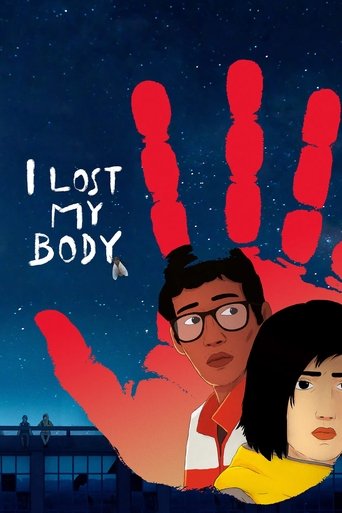
For a Paris evening, start with A Cat in Paris, which runs a little over an hour, and follow it with April and the Extraordinary World or Dilili in Paris. For grown-ups, I Lost My Body shows a very different city, full of rain, pizza deliveries and late-night lifts. Finish with a café crème and a croissant.
For a British teatime, pair A Close Shave and A Matter of Loaf and Death, two half-hour Wallace and Gromit shorts, and follow them with Shaun the Sheep Movie. Add The Gruffalo for the youngest guests, and serve cheese and crackers in honour of Wallace.
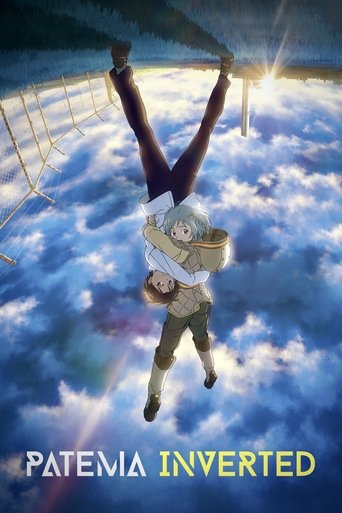
For a journey across Japan, begin with Miss Hokusai in old Edo, move north to Giovanni's Island and end with the gravity-bending Patema Inverted. If you prefer something lighter, a Crayon Shin-chan film and a Lupin the Third adventure make a cheerful double bill.
For a painters' night, watch Loving Vincent and then Miss Hokusai, two films about artists told in very different styles, one in oil paint and one in ink and colour. The Painting makes a gentle third film for anyone still awake, and Josep shows how drawing can carry memory through hard times.
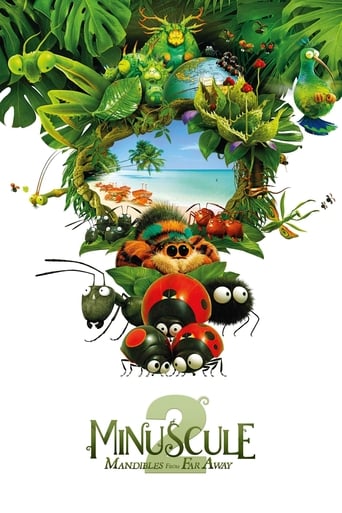
For a nature evening with children, pair Leafie, a Hen Into the Wild with Lucky and Zorba, two stories about animals raising a chick that belongs to another species. Minuscule 2: Mandibles from Far Away follows a ladybug on a voyage to the Caribbean, with animated insects moving through real filmed landscapes, and it suits every age.
For a music night, choose one of the Sound! Euphonium films and follow it with On-Gaku: Our Sound, which shows the opposite end of music-making: three beginners who know one chord between them and play it with total conviction. Sita Sings the Blues adds jazz from the 1920s, and The Triplets of Belleville closes the night with its unforgettable theme song.
For an adventure in the snow, pick The Summit of the Gods for older viewers and Niko and the Way to the Stars or Angela's Christmas for the family. For a trip to the stars, choose Space Battleship Yamato 2199: Odyssey of the Celestial Ark, Knights of Sidonia: Love Woven in the Stars or the wordless drift of Away.
Save your picks in My List as you browse, and the evening will be ready when you are.
The many ways to make an animated film
One of the pleasures of a guide like AniFilm is the sheer variety of techniques. Animation is a family of crafts, and each film on the site shows a different way to bring pictures to life.
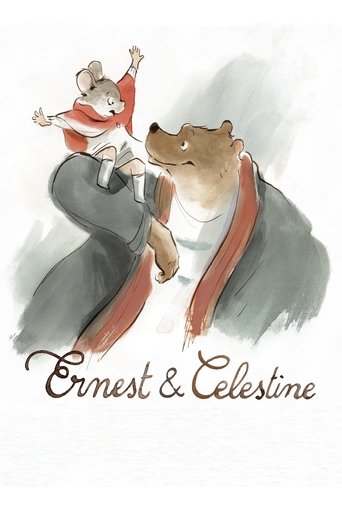
Hand-drawn animation is the oldest and still one of the most expressive. Each movement is drawn on paper or a tablet, one image at a time, usually at twelve or twenty-four drawings a second. The French and Belgian films on the site, from Ernest & Celestine to Calamity, show how much warmth a pencil line and a wash of colour can carry. Many Japanese films combine hand-drawn characters with detailed painted backgrounds and computer effects for light, water and weather.
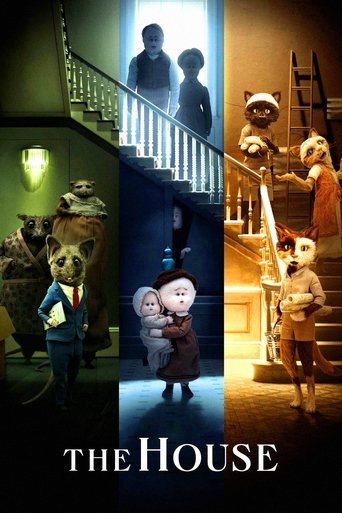
Stop-motion uses real objects, such as clay figures, puppets or paper cut-outs, which are moved by hand and photographed one frame at a time. Aardman's clay films are the best-known examples, and a single minute of finished film can take a team several weeks. The House and My Grandfather's Demons show how different stop-motion can look, from felt and fabric to hand-painted clay.
Computer animation builds characters and worlds as three-dimensional models inside a computer. Many of the family films from Germany, Denmark, Belgium and Korea use it, and BLAME! and Knights of Sidonia: Love Woven in the Stars show how Polygon Pictures uses it for science fiction with a hand-drawn look.
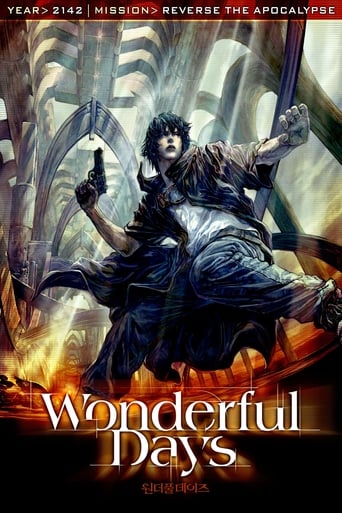
Some films invent their own methods. Loving Vincent was painted in oil, frame by frame. Away was made by one person using free software. Tales of the Night uses silhouettes cut from black against coloured light, inspired by early shadow-puppet films. On-Gaku: Our Sound used rotoscoping, drawing over filmed performers, for its big concert scene. Wonderful Days blends miniature sets, live-action footage and drawn characters. Minuscule 2: Mandibles from Far Away places computer-animated insects into real photographed landscapes. Each of these films rewards a second viewing with an eye on how it was made.
Choosing films for the family
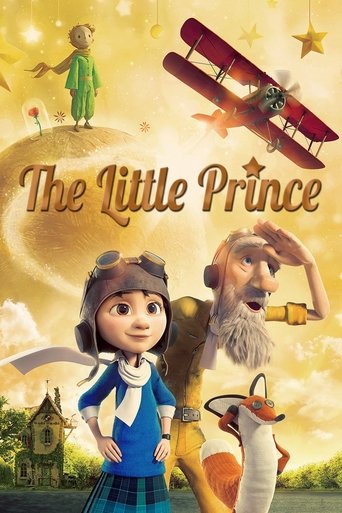
A large part of AniFilm is made up of films that suit children, and the family films shelf gathers more than ninety of them. They range from gentle picture-book films for the very young, such as The Gruffalo, Molly Monster: The Movie and Ella Bella Bingo, to adventures that parents enjoy just as much as children, such as Mary and Max for older teens, The Little Prince and Shaun the Sheep Movie.
A few films in the guide carry sad or intense moments that may call for a chat afterwards. Giovanni's Island and The Breadwinner deal with war and separation, Leafie, a Hen Into the Wild includes a moving farewell, and I Lost My Body and Cinderella the Cat are made for older viewers. Each official service shows its own age rating after you press Watch now, and many offer children's profiles with age limits.
Watching the first ten minutes together is a good way to judge whether a film suits your family. Short films, such as the Wallace and Gromit shorts, Angela's Christmas and the stories in The Big Bad Fox and Other Tales, are ideal for an evening when bedtime is close.
A small cinema of animation
AniFilm is built for people who love animated films, whether they are fans of Japanese franchises, admirers of French hand-drawn fables, families looking for a Saturday film or curious viewers who want to see what animation can do. Every film has been chosen by hand, every page leads to official services, and every shelf is designed to make the next choice a little easier. Start with the Browse films box, follow a red link that catches your eye and enjoy the show.
The AniFilm design
The design is measured from the archived anifilm.net home page and its style sheets, captured in January 2025. The page itself is a very deep maroon, #210606, almost the colour of an old cinema curtain in the dark. On top of it sits a wide white panel that holds every piece of content, so reading always happens on a clean, bright surface. The header is a near-black bar, #1A1A1A, with white uppercase links. The main accent is a strong red, #EE203C, used for links and headings in the filter box and the sidebar, with a darker wine red, #9D0C1F, for the runtime badge on each poster and for one of the footer buttons.
Two more colours come straight from the original release cards. A fresh green, #5CBC6C, outlines the first button under each card, and a calm blue, #4E86C6, outlines the second. On the original site these buttons were labelled for downloading and watching; on AniFilm they read Watch now and Details, and both lead to the film page, where the real Watch now button sends you on to the official services. The sidebar sits on a pale grey, #F2F2F2, with grey block headings, and the footer is a dark slate, #36393A, with a column of stacked coloured buttons.
The original used two display typefaces, Airborne for headings and PF Din Display Pro for text. Both are licensed fonts, so AniFilm uses Oswald for the tall uppercase headings and PT Sans for body text. They are open fonts with the same upright, engineered character, and they keep headings compact and text easy to read on small screens.
The wordmark reads ANIFILM in white capitals beside a red square holding a simple film reel. The favicon uses the same reel on a red tile, so the site is easy to spot among open browser tabs.
The header and the Browse films box
The dark header bar stays at the top of the screen as you scroll. On the left sits the logo, followed by the main links in white capitals: Home, Films, Japan, World, Browse and About. On the right are the search box and a link to My List. On phones and small tablets the links fold into a menu button with three white lines, and the search moves into the menu so the bar stays tidy.
Below the header, the white panel opens with the Browse films box. On the original site this was a filter panel with bold black headings and columns of red links for statuses, genres, categories and seasons. AniFilm keeps the same idea with three columns. The first, Shelves, lists themed collections such as Aardman, Lupin and Conan, family films, art-house animation, music and stage, and series on the big screen. The second, Countries, leads to Japan, France and Belgium, English-language films, Spanish and Portuguese films, Korea and the rest of Europe. The third, Years, groups the films into three eras and adds a shelf of the most highly rated titles. A short line under the columns gives the total number of films in the guide.
Every red link in the box opens a full shelf page with posters, and every shelf page links back to the full list of collections. If you prefer to browse alphabetically, the Browse link in the header opens an A to Z index of every film, and the search box accepts English titles, original titles and many alternative spellings.
Film cards and the sidebar
Beneath the Browse films box come the film cards, three to a row on a computer and two to a row on a phone. Each card shows a tall poster with two badges. In the top left corner a green badge gives the audience score, and in the top right corner a dark-red badge gives the running time in minutes, so you can tell at a glance whether a film is a feature for a long evening or a short for a coffee break. Under the poster comes the title in bold, a grey line with the word Film, the year and the country code, and then the two outlined buttons, green for Watch now and blue for Details.
To the right of the cards runs the grey sidebar. Its first block, Popular, is a numbered list of the ten most popular films in the guide, with each title in red capitals and its original title or year in grey underneath. The second block, Studios, lists the studios with the most films in the guide, from TMS Entertainment, Toei Animation and Production I.G to Aardman, StudioCanal and Les Armateurs, and each studio name opens a search for its films.
Further down the page, themed shelves show six posters each for Japan, France and Belgium, Aardman, art-house animation, Korea and the top-rated films, with a red line under each shelf heading and a link to the full shelf. A grid of help cards follows, one for each guide, and then comes this article. At the very bottom the dark footer holds the copyright block, a column of links and four stacked buttons in dark blue, blue, violet and wine red for How to watch, Subtitles and dubs, Help and My List.
Japanese films made for the cinema
Japan makes more animated films than almost any other country, and the Japan shelf on AniFilm gathers close to fifty of them from 2013 onward. They fall into two broad families. The first is the original film, a story written for the big screen with its own characters and its own ending. The second is the franchise film, a cinema chapter of a series that already lives on television. Both are welcome here, and the Japanese films guide gives a quick map of each.
Among the original films, Patema Inverted is a lovely place to start. Yasuhiro Yoshiura imagines a girl from an underground world where gravity pulls upward, who meets a boy on the surface. When they hold hands, one of them always hangs upside down over an endless sky, and the film turns that simple idea into a gentle, dizzying adventure. Giovanni's Island, from Production I.G, follows two brothers on a small northern island at the end of the Second World War, when a new garrison arrives and the boys befriend a girl from the other side. It is a tender film about childhood, loss and the railway dream the boys borrow from a favourite novel.
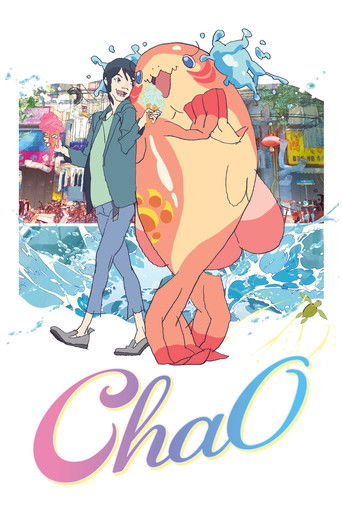
Miss Hokusai brings Edo-period Tokyo to life through O-Ei, the daughter of the great print artist Katsushika Hokusai and a gifted painter herself. Keiichi Hara fills the film with fires, bridges, rainstorms and the quiet work of the studio, and it rewards anyone who loves Japanese art. ChaO, from Studio 4°C, is a bright, rubbery romantic comedy about an office worker who receives a marriage proposal from a mermaid princess, and it was celebrated at the Annecy festival in 2025. The Concierge is a warm, colourful film set in a grand department store whose customers are animals, and whose young concierge learns to find the perfect gift for each of them.
For science fiction, BLAME! sends the silent wanderer Killy through a vast, endlessly growing megastructure in search of a human with the right genes, while Knights of Sidonia: Love Woven in the Stars closes the story of a colony ship drifting through space. Planetarian: Hoshi no Hito is quieter and very moving: a lone scavenger in a ruined city finds a small robot still running a planetarium show for guests who stopped coming long ago. Cencoroll Connect is a playful story of creatures that can take any shape, and Eternal 831 follows a young man in Tokyo who carries a secret about a strange disaster.
Two anthologies offer several films in one sitting. Short Peace brings together four short films overseen by Katsuhiro Otomo, from a traveller who repairs haunted objects in an old shrine to a fire spreading through Edo. Modest Heroes, from Studio Ponoc, gathers three shorts about small acts of courage, including a tiny crab-like family living in a river and a boy with a severe egg allergy. Finally, On-Gaku: Our Sound is a deadpan comedy about three high-school delinquents who pick up instruments almost by accident and discover the thrill of making a very loud noise together.
Series on the big screen
Many of the most popular Japanese franchises continue their stories in cinemas, and AniFilm has a shelf for them called series on the big screen. These films usually work best if you know the characters, but several are friendly to newcomers, and they are a joy for fans who want one more adventure.
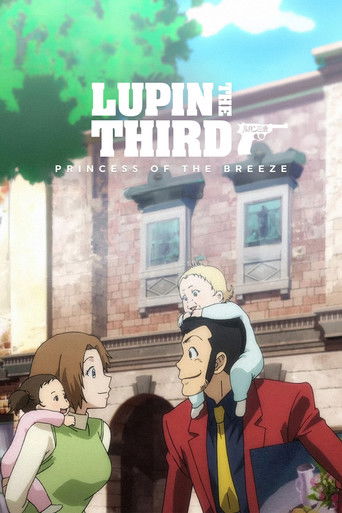
The gentleman thief Lupin the Third has the biggest family here. Lupin the Third: Princess of the Breeze finds Lupin and Jigen babysitting while a young sky pirate chases their loot. Lupin the Third: Italian Game sends the gang to Italy, Lupin the Third: Prison of the Past and Lupin the Third: Goodbye Partner continue the television specials, and LUPIN THE IIIRD: Zenigata and the Two Lupins brings the dedicated Inspector Zenigata to the fore in a darker, more grown-up style. The Lupin and Conan shelf also holds Detective Conan: The Story of Ai Haibara: Black Iron Mystery Train, a compact retelling of one of the best-loved Conan story arcs.
Music fans have several choices. The Sound! Euphonium films, such as Sound! Euphonium The Movie: Welcome to the Kitauji High School Concert Band, Sound! Euphonium The Movie: May the Melody Reach You! and Sound! Euphonium the Movie - Our Promise: A Brand New Day, follow a school concert band through rehearsals, rivalries and competitions, with Kyoto Animation's careful attention to every valve and reed. Sound! Euphonium: Ensemble Contest is a short, sunny side story. Revue Starlight: The Movie and Revue Starlight: Rondo Rondo Rondo turn stage school into dazzling, operatic duels, and THE iDOLM@STER MOVIE: Beyond the Brilliant Future! follows an idol troupe preparing for their biggest concert.
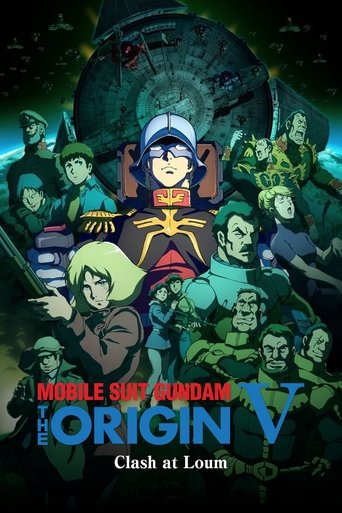
For space opera, Space Battleship Yamato 2199: Odyssey of the Celestial Ark adds a side mission to the famous voyage, and Legend of the Galactic Heroes: Die Neue These - Intrigue 1 continues the modern retelling of the great war between the Empire and the Alliance. Mobile Suit Gundam: The Origin V: Clash at Loum shows the young Char Aznable in the first great battle of the One Year War. TIGER & BUNNY: The Rising brings back the superhero partners whose suits carry sponsors' logos, and Pretty Guardian Sailor Moon Cosmos the Movie Part 2 closes the Sailor Moon story.
Comedy runs through many of these films too. The Crayon Shin-chan films, such as Crayon Shin-chan: Intense Battle! Robo Dad Strikes Back and Crayon Shin-chan: Very Tasty! B-class Gourmet Survival!!, are yearly family outings full of silly jokes and surprisingly heartfelt endings. Gintama: The Final Chapter - Be Forever Yorozuya mixes samurai parody with a time-travel mystery, Koro-sensei Q! reimagines the tentacled teacher in a fantasy school and Little Witch Academia: The Enchanted Parade follows Akko and her friends through a disastrous school parade. The One Piece Episode films retell key voyages of the Straw Hat crew, and the Yo-kai Watch films bring Keita and his spirit friends to the big screen. GREAT PRETENDER razbliuto returns to the stylish, globe-trotting world of the con-artist series.
France and Belgium
France and Belgium have one of the richest animation traditions in the world, shaped by comics, by art schools and by a network of studios from Paris to Valence, Angoulême, Brussels and Liège. The France and Belgium shelf holds close to thirty films, and the French and Belgian animation guide picks a few favourites to start with.
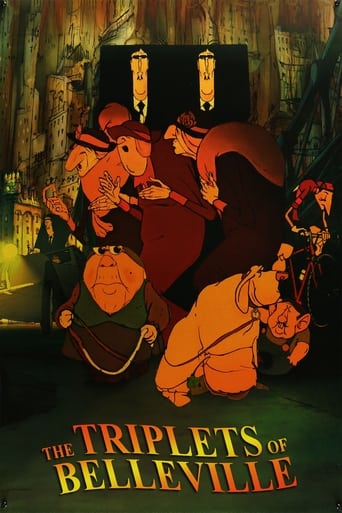
Sylvain Chomet made two of the most loved. The Triplets of Belleville follows a determined grandmother and her faithful dog as they cross the ocean to rescue her grandson, a cyclist kidnapped during the Tour de France, with the help of three elderly jazz singers. It is almost wordless, packed with music and full of wonderfully exaggerated faces. The Illusionist, based on a script by Jacques Tati, follows an ageing stage magician who travels to Edinburgh and forms a quiet bond with a young girl who believes his tricks are real magic. Its watercolour views of Scotland are among the most beautiful images in animation.
Michel Ocelot is the great fabulist. Kirikou and the Sorceress tells of a tiny, fearless boy in a West African village who sets out to understand why the sorceress Karaba is so cruel, and Kirikou and the Wild Beasts adds more tales from his childhood. Azur & Asmar: The Princes' Quest follows two boys raised as brothers who both set out to free the Djinn Fairy, and Tales of the Night uses black silhouettes against glowing coloured backgrounds for a series of short fables. Dilili in Paris takes a young Kanak girl through Belle Époque Paris, meeting painters, scientists and singers of the age as she solves a mystery.
The Folimage studio in Valence made A Cat in Paris, in which a cat leads a double life with a gentle cat burglar by night, and the same directors made Phantom Boy, about a boy in hospital who can float out of his body and help a detective in New York. Mia and the Migoo is another Folimage film, a painterly adventure about a girl searching for her father on a building site guarded by giant forest spirits. The Big Bad Fox and Other Tales collects three farmyard stories by Benjamin Renner, including a fox who tries to raise three chicks in order to eat them and ends up becoming their mother. Renner also co-directed Ernest & Celestine, a picture-book friendship between a bear and a mouse drawn in soft watercolour.
For older viewers, I Lost My Body follows a severed hand as it escapes a laboratory and crosses Paris in search of the young man it belongs to, while his own story of love and loss unfolds in flashback. April and the Extraordinary World imagines a steam-powered Paris where scientists keep disappearing, and a young chemist sets out with her talking cat to find her parents. The Summit of the Gods, adapted from Jiro Taniguchi's manga, follows a photographer searching for a vanished climber and the camera that might prove who first reached the top of Everest. The Rabbi's Cat takes place in Algiers in the 1920s, where a cat learns to speak after eating a parrot and immediately starts arguing theology.
More recent films stretch the tradition further. Calamity imagines the childhood of Martha Jane Cannary on a wagon trail to the West, drawn in bold, flat blocks of colour. Josep tells the story of the Catalan artist Josep Bartolí in French camps, told through drawings. Marona's Fantastic Tale follows a small dog remembering each of her owners, and Chicken for Linda! is a lively comedy about a mother trying to cook chicken with peppers during a general strike. The Inventor shows Leonardo da Vinci's last years in France, mixing stop-motion puppets and hand-drawn sequences, and The Most Precious of Cargoes is a hand-drawn fable about a woodcutter's wife who finds a baby in the snow beside a railway line. My Grandfather's Demons uses clay figures and Portuguese folk art to tell of a young woman returning to her grandfather's village.
Belgium's nWave and its partners make lively family films. Robinson Crusoe retells the castaway story from the point of view of a parrot, A Stork's Journey follows a sparrow raised by storks who insists he can fly to Africa, and Richard the Stork and the Mystery of the Great Jewel continues his adventures. Zarafa follows a young boy and a giraffe sent from Egypt as a gift to the King of France, and The Painting is a charming story about the figures in an unfinished painting who set out to find their painter.
Aardman and British animation
Few studios are as beloved as Aardman, the Bristol company behind Wallace and Gromit, Shaun the Sheep and Chicken Run. Its films are made mostly in stop-motion, with clay characters moved a tiny step at a time and photographed frame by frame, and they carry a very British sense of humour: dry, gentle and full of visual jokes in the background. The Aardman shelf gathers the studio's films, and the Aardman guide suggests an order to watch them.
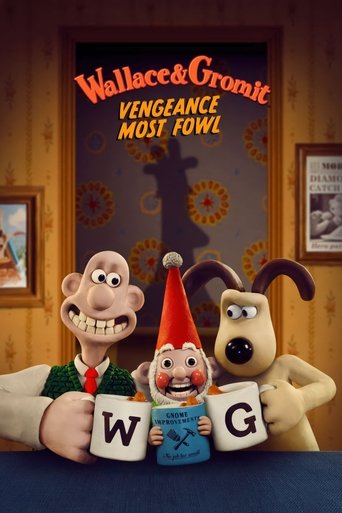
The Wallace and Gromit shorts are the heart of the collection. A Close Shave mixes a window-cleaning business, a sheep rustling plot and a lovely wool-shop owner, and A Matter of Loaf and Death turns Wallace's new bakery into a murder mystery. The full-length Wallace & Gromit: Vengeance Most Fowl brings back the villainous penguin Feathers McGraw and a smart garden gnome that goes badly wrong. Gromit stays silent the whole time, yet his raised eyebrows carry every film.
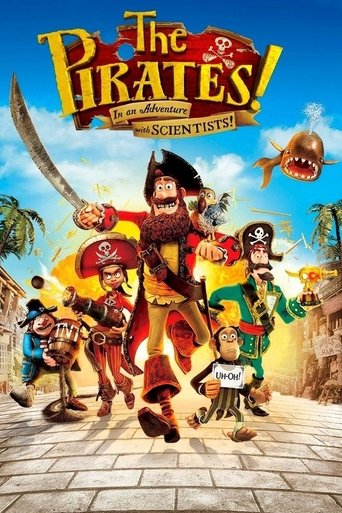
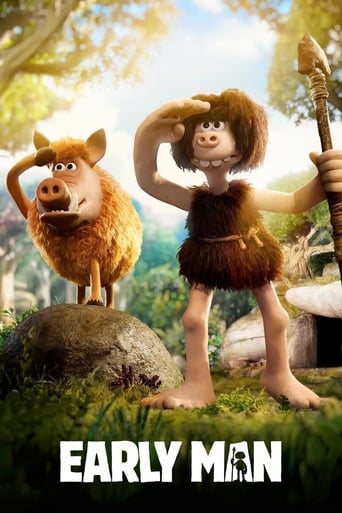
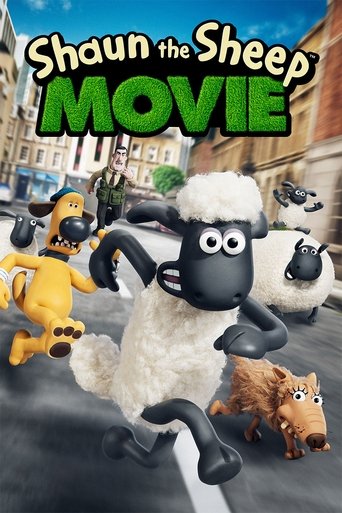
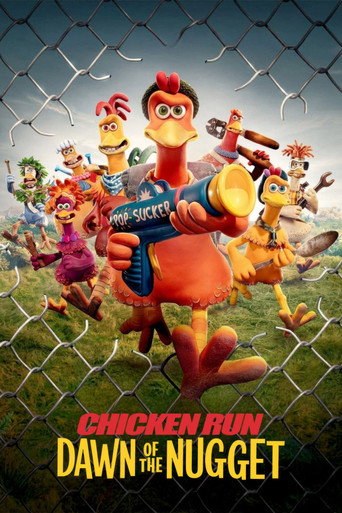
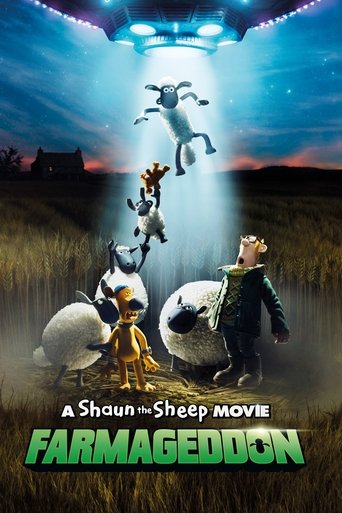
Shaun the Sheep Movie is almost entirely wordless and very funny, as the flock follows their farmer to the big city. A Shaun the Sheep Movie: Farmageddon adds a lost alien visitor to the farm. Early Man follows a Stone Age tribe who challenge Bronze Age invaders to a football match, The Pirates! In an Adventure with Scientists! sends a hopeless pirate captain to Victorian London, and Chicken Run: Dawn of the Nugget brings Ginger and Rocky back to rescue their daughter from a sinister factory. Flushed Away, made with DreamWorks, uses computer animation that imitates clay and follows a pampered pet rat into the sewers of London.
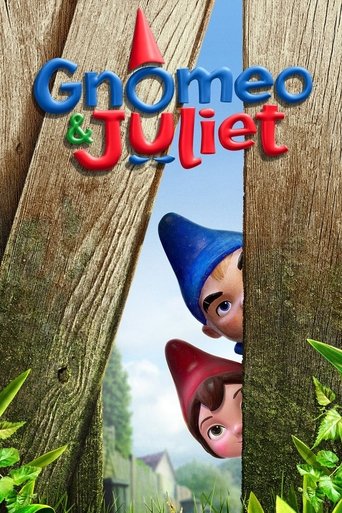
Britain has more to offer beyond Bristol. The Gruffalo adapts Julia Donaldson's picture book about a clever mouse walking through a deep dark wood, and it runs under half an hour, which makes it perfect for small children. Ethel & Ernest tells the true story of Raymond Briggs's parents across forty years of London life, from their first meeting to the arrival of television and the space race. The House is a strange, beautiful stop-motion anthology about three different households living in the same house across the centuries. The Tale of Despereaux and Gnomeo & Juliet are bright family films, and Valiant follows a small wood pigeon who joins the pigeon post in the Second World War.
From Ireland comes Angela's Christmas, a short film based on a story by Frank McCourt about a little girl who worries that the baby Jesus in the church crib is cold. From Cartoon Saloon, working with partners in Canada and Luxembourg, comes The Breadwinner, the story of Parvana, a girl in Kabul who cuts her hair and dresses as a boy so she can earn money for her family while her father is in prison. It was nominated for an Academy Award and remains one of the most powerful films in the guide.
Korean animated films
Korean animation is often known through the studios that work on television series for the rest of the world, but Korea also has its own cinema tradition, and the Korea shelf gathers a small, strong selection of it. The world animation guide suggests where to begin.
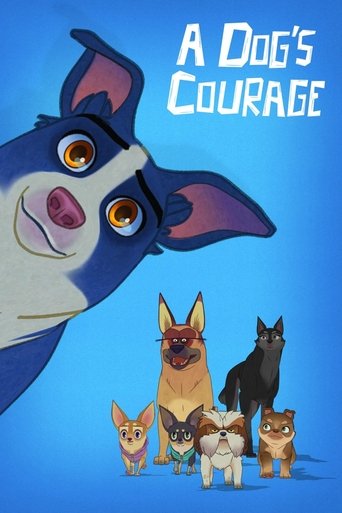
Leafie, a Hen Into the Wild is the best-known Korean animated film and one of the most successful. A hen on a battery farm dreams of hatching an egg of her own, escapes into the wild and ends up raising a duckling as her son. It is funny, sad and very beautiful, with watercolour marshes and changing seasons. The same director later made A Dog's Courage, in which a pet dog abandoned in the countryside joins a pack of strays who set out to find a place where dogs can live freely.
Wonderful Days is a landmark of a different kind. Set in a future where a polluted world surrounds the gleaming city of Ecoban, it blends computer graphics, hand-drawn characters and detailed miniature sets filmed in live action. My Beautiful Girl, Mari is a dreamy, gentle film about a boy in a seaside town who follows a white cat into a magical world, and Oseam tells the story of a young boy and his blind sister who take shelter in a mountain temple, based on a much-loved Buddhist tale.
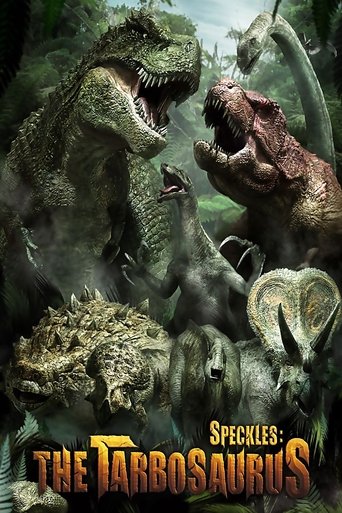
Younger viewers can travel back in time with Speckles: The Tarbosaurus and its sequel Dino King: Journey to Fire Mountain, which follow a young dinosaur growing up in the forests of prehistoric Korea. Padak is a darkly funny film about a mackerel caught in the tank of a seaside sushi restaurant who plans a daring escape back to the sea. Yobi, The Five-Tailed Fox follows a fox girl who wants to become human, and The Satellite Girl and Milk Cow is a quirky romance between a satellite that turns into a girl and a young musician who has been turned into a cow. Miniforce: New Heroes Rise is a bright superhero adventure from a popular children's series.
Questions
What is AniFilm?
AniFilm is a guide to animated films from Japan and around the world, with a Watch now button on every film page that opens the film on the official services in your country.
How do I watch a film?
Open the film page, choose your country and press Watch now. JustWatch opens with the official services that carry the film where you live.
What do the green and dark-red badges mean?
The green badge shows the audience score from TMDB, and the dark-red badge shows the running time in minutes.
Which films suit young children?
The Family films shelf gathers titles for every age, from The Gruffalo and Molly Monster to Shaun the Sheep and Ernest and Celestine.
Are the films subtitled or dubbed?
It depends on the service. Family films usually have English dubs, and many Japanese, French and Korean films come with English subtitles.
Where do I find the Wallace and Gromit films?
Open the Aardman shelf from the Browse films box. It holds the Wallace and Gromit shorts, the Shaun the Sheep films and the other Aardman features.
Can I save films for later?
Yes. Press Add to My List on any film page. The list stays in your browser, and you can export it to a small file and import it on another device.
Where do the scores and film details come from?
Scores, running times, cast and studio details come from TMDB, and the Watch now button uses JustWatch to list official services.